Selection & sourcing
Selecting an agate geode by its actual form and record
Compare geode cavity shape, outer shell, polished edges and treatment information using traceable photographs of actual candidate pieces.
Read the guide Material. Form.
BZStone / Agate and geodes
Compare agate slices, geode cavities and display pieces with clear treatment disclosure, actual-item photographs, support details and packing.
Explore the sourcing guides ↓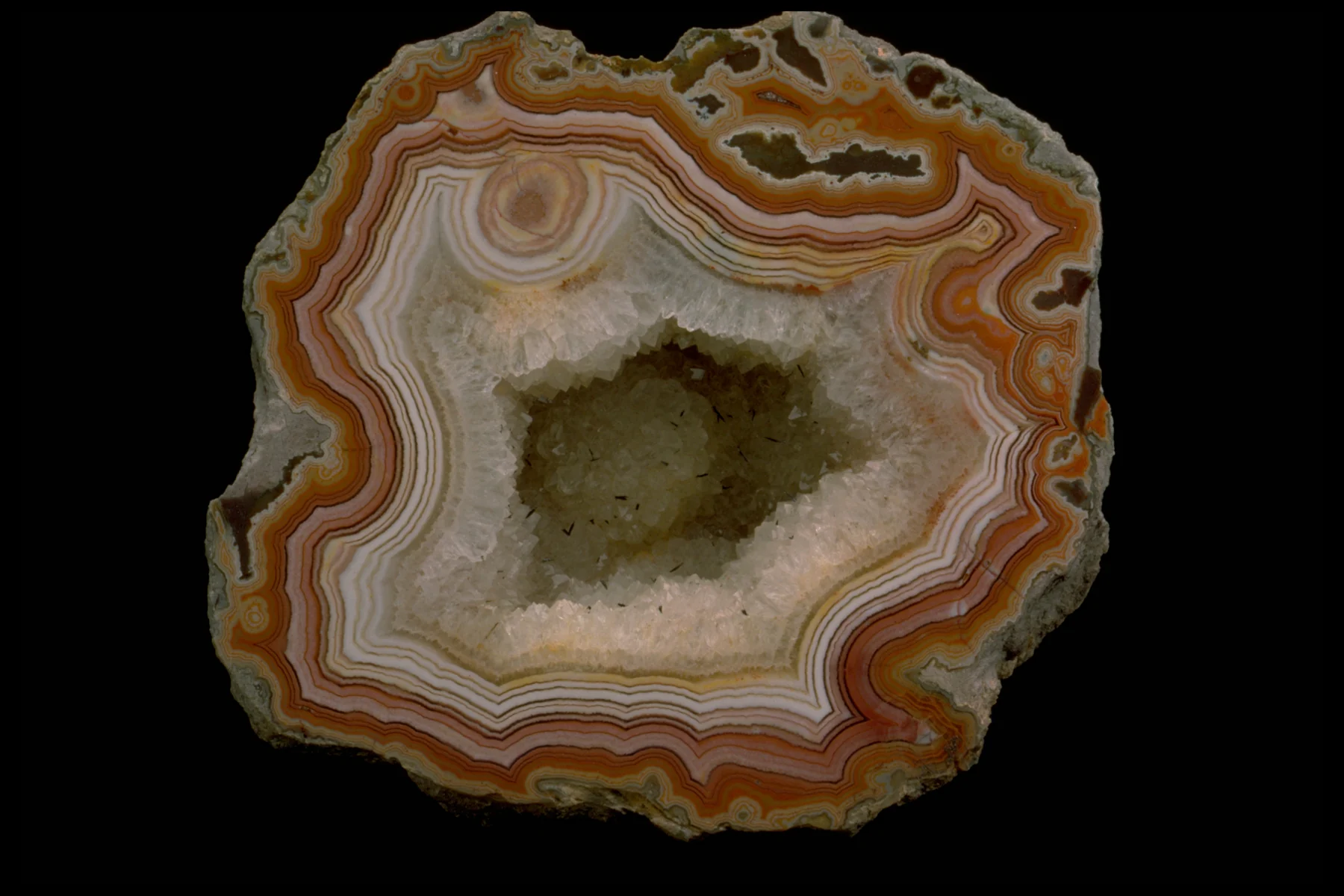
Agate slices and geodes belong in the same design conversation but should not share an ambiguous product description. Specify whether you want a flat slice, a cut geode half, a paired display or a larger open-cavity piece. Ask what mineral or minerals are actually being supplied.
Banding, cavity shape and edge character should be documented on the offered item. Compare color under consistent light, and ask about dye, coatings, filling, repairs and added bases. A bright photograph or a familiar trade name cannot establish treatment status.
For a one-off display, approval should follow the actual piece through its photographs, condition record, base and crate. For multiple pieces, agree a size and appearance range plus a method for selecting the assortment. Museum references on this website show visual possibilities, not guaranteed sourcing results.
Selection & sourcing
Compare geode cavity shape, outer shell, polished edges and treatment information using traceable photographs of actual candidate pieces.
Read the guideSelection & sourcing
Distinguish individual agate slices from assembled decorative panels and record thickness, edges, backing, treatment and intended use.
Read the guideSelection & sourcing
Coordinate geode orientation, support contact, base dimensions and installation responsibilities before approving a display arrangement.
Read the guideSelection & sourcing
Request clear agate dye, coating, filling and repair information, with actual-item records and care instructions before approval.
Read the guideSelection & sourcing
Link crystal or geode selection photos to item IDs, dimensions, treatment statements, approvals and packing records without confusing reference images with actual stock.
Read the guideExternal references support attributed material facts and provide further context. The purchasing checklists are BZStone editorial guidance; they are not supplier commitments or installation designs.
From reading to a clear request
Gather the intended use, actual material references, dimensions, quantity and destination. Keep unknowns visible so they can be resolved before approval.
Prepare a sourcing brief