Selection & sourcing
Sourcing quartz crystals with clear identity records
Compare quartz crystal specimens using natural or laboratory-grown status, actual-item images, condition records and treatment information.
Read the guide Material. Form.
BZStone / Crystals and mineral specimens
Source quartz, amethyst and mineral specimens with individual records, treatment disclosure, condition photographs and display packaging.
Explore the sourcing guides ↓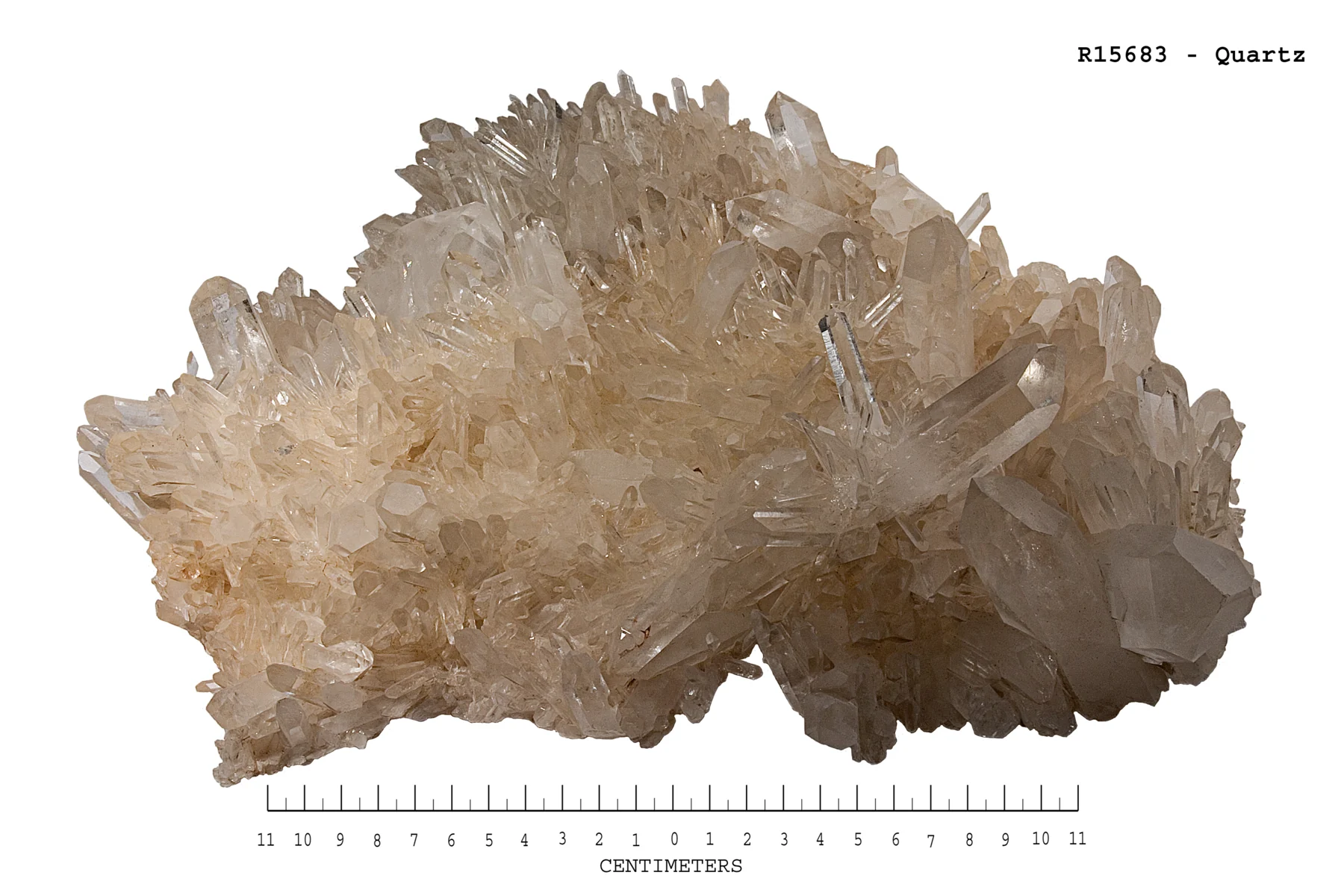
Begin with identity, then choose appearance. A mineral’s trade name, color and overall shape can help a buyer describe a preference, but they do not replace an identification record. Distinguish natural specimens, laboratory-grown material, carved pieces and assembled decorative objects.
An individually selected crystal should have its own photographs, dimensions, weight and condition notes. For an assortment, define the grade range and allocation rules instead of expecting every piece to match a hero image. Keep treatment statements attached to the relevant item or lot.
The mineral images here are reference specimens and museum material, not stock for sale. These guides explain how to build the records needed for a real selection, including evidence for identity, handling of delicate features and a stable display arrangement. No wellness or therapeutic outcome is implied.
Selection & sourcing
Compare quartz crystal specimens using natural or laboratory-grown status, actual-item images, condition records and treatment information.
Read the guideSelection & sourcing
Review amethyst cluster color, point condition, matrix, display orientation and treatment information before selecting individual pieces.
Read the guideSelection & sourcing
Build a mineral sourcing record that separates identity, origin claims, treatment statements, condition and individual item traceability.
Read the guideSelection & sourcing
Plan crystal specimen orientation, support, handling and packing records around the individual object rather than a generic size category.
Read the guideSelection & sourcing
Build a crystal assortment brief with defined size groups, appearance and condition references, quantities, disclosure records and substitution decisions.
Read the guideExternal references support attributed material facts and provide further context. The purchasing checklists are BZStone editorial guidance; they are not supplier commitments or installation designs.
From reading to a clear request
Gather the intended use, actual material references, dimensions, quantity and destination. Keep unknowns visible so they can be resolved before approval.
Prepare a sourcing brief