Selection & sourcing
Specifying stone trays and tabletop objects
Define stone tray size, rim shape, base protection and intended use, then agree samples, natural variation and retail packaging.
Read the guide Material. Form.
BZStone / Stone décor
Specify stone trays, vessels, bookends and decorative objects with clear dimensions, intended use, sample approval and protective packaging.
Explore the sourcing guides ↓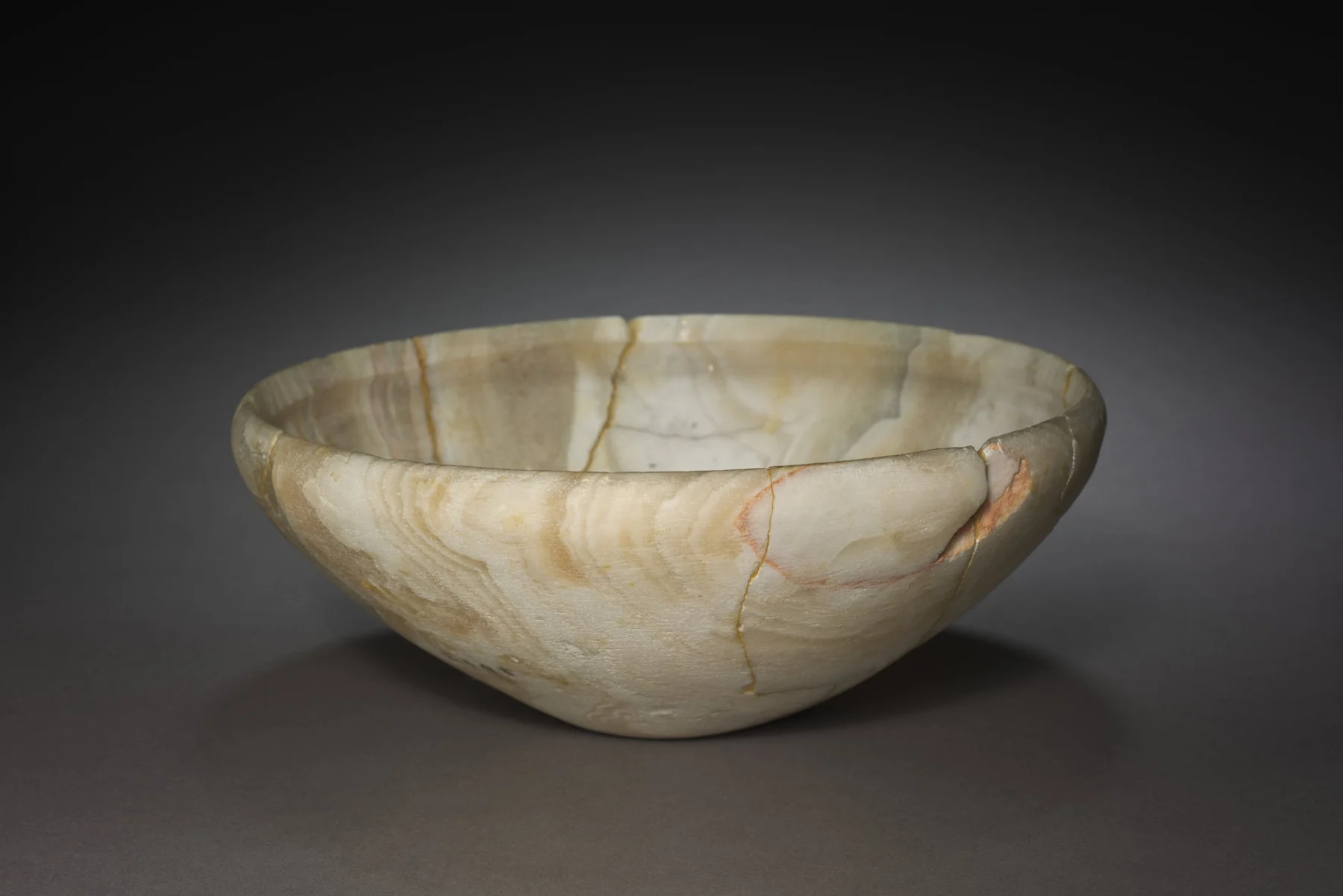
A decorative object needs more than an attractive front view. Buyers also need to understand the base, edges, interior finish, contact surfaces and how the item will be packed. State whether the piece is for display, hospitality styling, retail resale or another defined use.
Decide which qualities may vary naturally and which must repeat across an order. A veined tray can have an agreed color range while retaining fixed outer dimensions and base-pad positions. Pairing rules matter for bookends; internal dimensions matter for vessels.
Historical objects in the reference collection are form studies, not offered merchandise. Develop a contemporary specification with your own dimensions and approved sample. Food contact, water retention and candle use require separate finished-item evidence; none is established by the word “stone.”
Selection & sourcing
Define stone tray size, rim shape, base protection and intended use, then agree samples, natural variation and retail packaging.
Read the guideSelection & sourcing
Specify stone vessel openings, internal dimensions, base details and intended dry or wet use before approving a sample.
Read the guideSelection & sourcing
Define stone bookend pairing, contact faces, base pads and visual variation, with clear sample and retail-packaging requirements.
Read the guideSelection & sourcing
Plan packaging for wholesale stone décor, including inner protection, SKU labels, finished-item care inserts, packing revisions and receiving checks.
Read the guideSelection & sourcing
Create a SKU-level stone décor RFQ covering dimensions, sets, sample revisions, finishes, packing and quote exclusions before comparing wholesale offers.
Read the guideSelection & sourcing
Organize mixed stone décor and specimen shipments by SKU, selling unit and package ID, then record receiving counts, accessory checks and visible discrepancies.
Read the guideExternal references support attributed material facts and provide further context. The purchasing checklists are BZStone editorial guidance; they are not supplier commitments or installation designs.
From reading to a clear request
Gather the intended use, actual material references, dimensions, quantity and destination. Keep unknowns visible so they can be resolved before approval.
Prepare a sourcing brief